- Tokyo Shibuya Koen-dori Gallery instagram
- Tokyo Shibuya Koen-dori Gallery X
- Tokyo Shibuya Koen-dori Gallery Facebook
- Tokyo Shibuya Koen-dori Gallery YouTube
- White
- Blue
- Black
- Fontsize small
- Fontsize big
- HOME >
- Online Content >
- Shibugya Radio
Audio Content
Shibugya Radio “Since That, After This”

“Shibugya Radio” is an online live talk program featuring a variety of guests, without limitation to artists and experts, who speak on topics that interest Tokyo Shibuya Koen-dori Gallery curators.
In fiscal 2025, taking the theme “Since That, After This,” we invited people having past involvement in the Gallery’s exhibitions and, and asked them what they felt, at that time, and their thoughts about it now.
For this podcast, our guests joined us in visiting the site of their involvement so as to record the program in that place’s distinctive air. We hope everyone will enjoy the podcast’s outdoor report atmosphere.
● You can access the podcast through the audio and music streaming services below. The audio is also transcribed for enjoyment of a text version (Japanese).



| Part 1: “Art appreciation with Kenji Shiratori, PICFA Observation Tour” | Part 2 "Beyond Creative Activities" |
Part 1: “Art appreciation with Kenji Shiratori, PICFA Observation Tour” (3-part series)
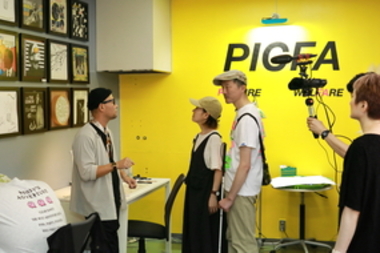
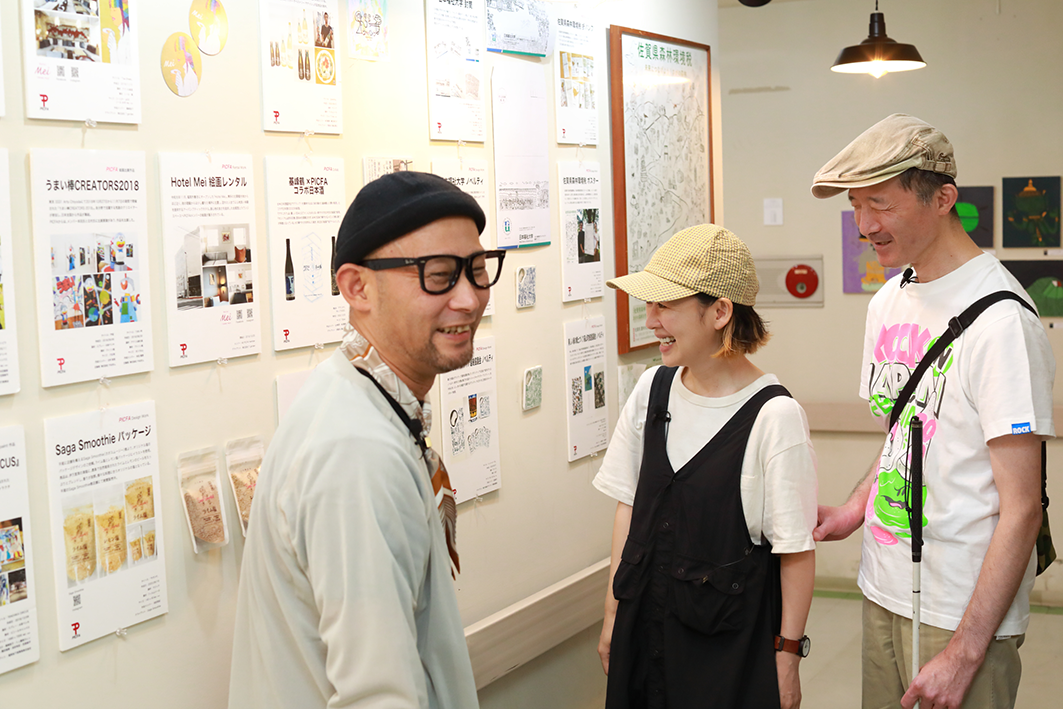
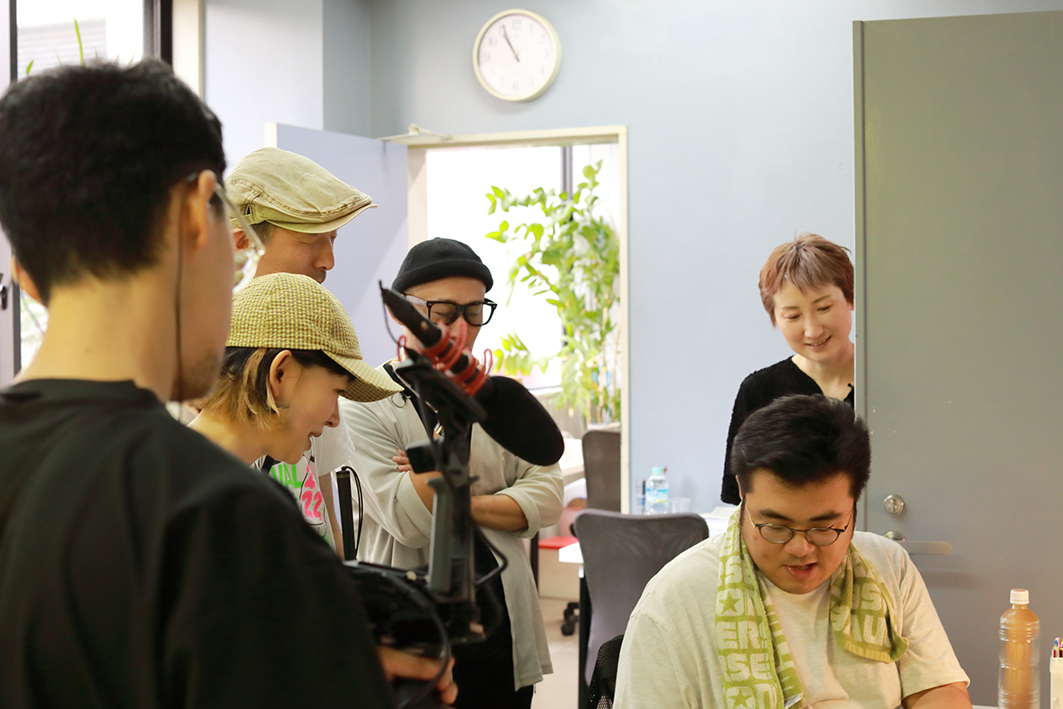
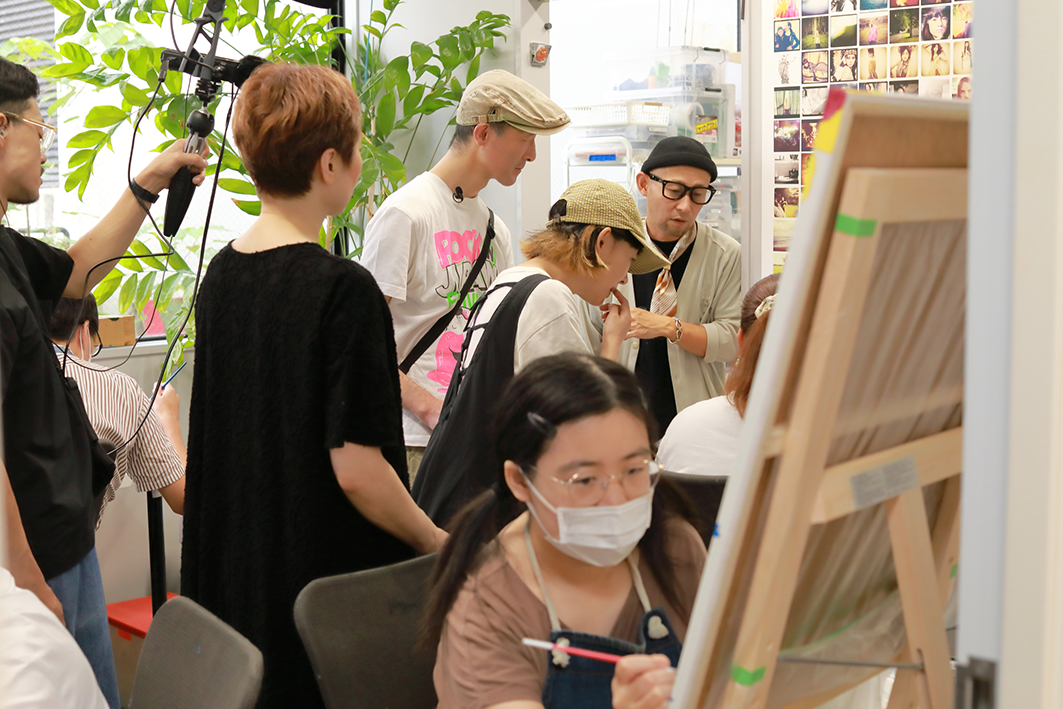
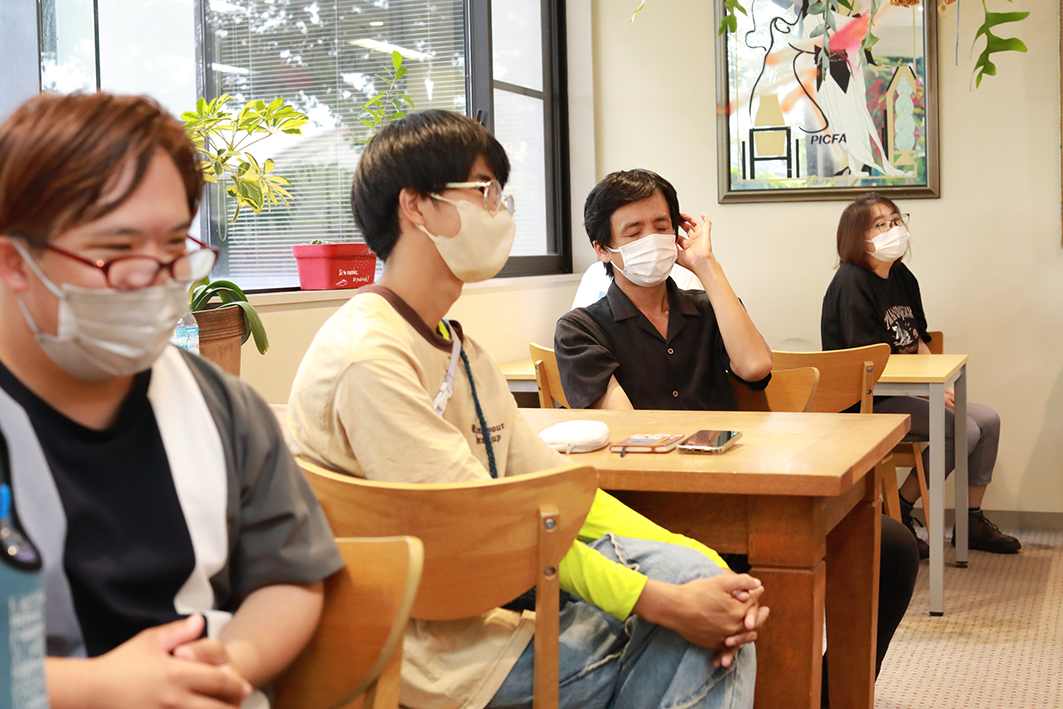
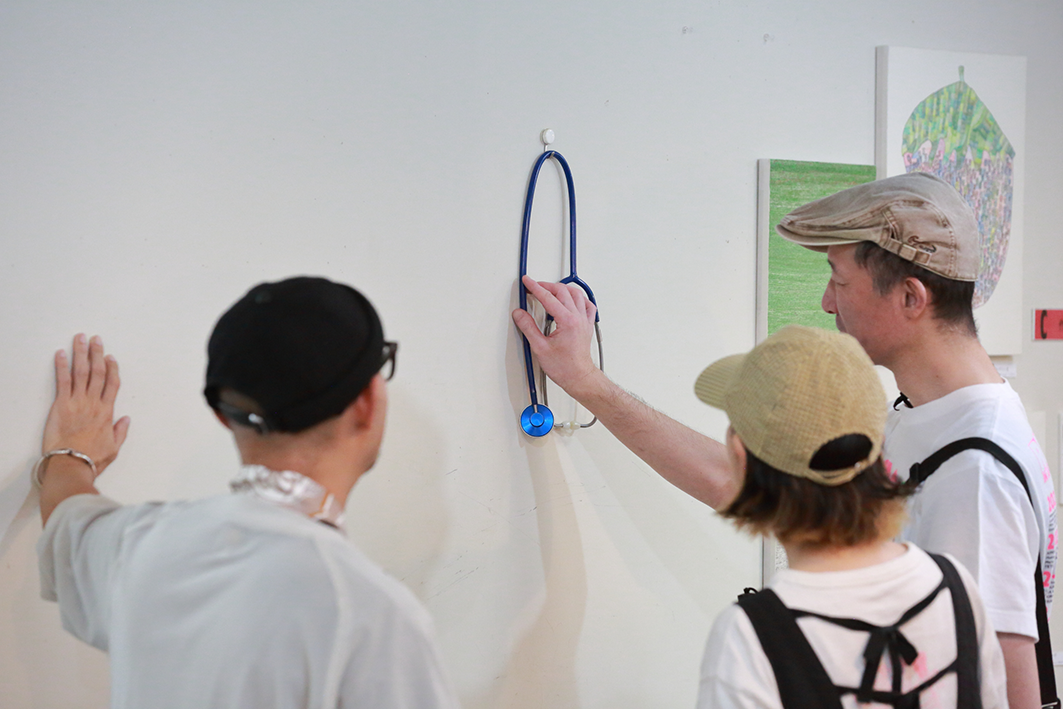
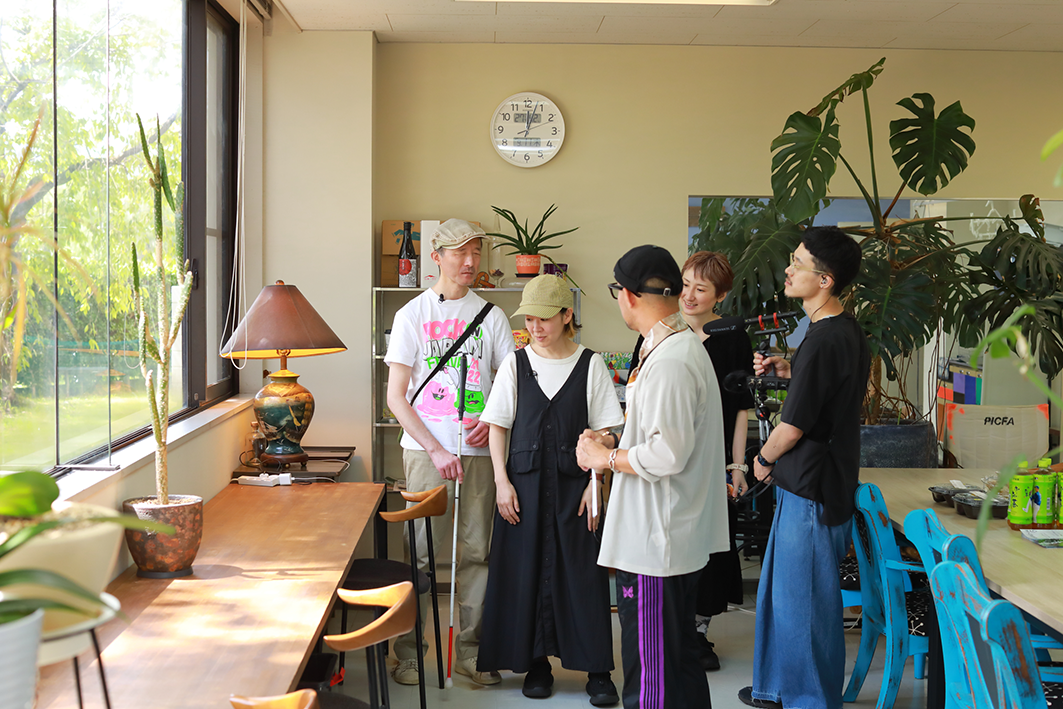
Together with blind art appreciator Kenji Shiratori and art manager Kanako Iwanaka, we visited PICFA, a welfare facility where people create art as a job. Guided by facility director Hiroyuki Harada, we walked through the venue where artists were creating artworks of all kinds. While chatting with the artists and observing their production processes, we reported on the circumstances in the facility in a conversational format. As we discussed daily life in the employment support facility, our conversation also turned to “this and that” aspects of Mr. Shiratori’s own art appreciation sessions, which value communication on the spot. [Recorded September 2025]
#24. Evening before the observation tour
Apple Podcasts Player
Links
Overview
Guests: Kenji Shiratori (blind art appreciator, photographer), Kanako Iwanaka (editor, art manager) [about 30 minutes] Navigator: Asuka Mon (Tokyo Shibuya Koen-dori Gallery)
#25. PICFA observation tour
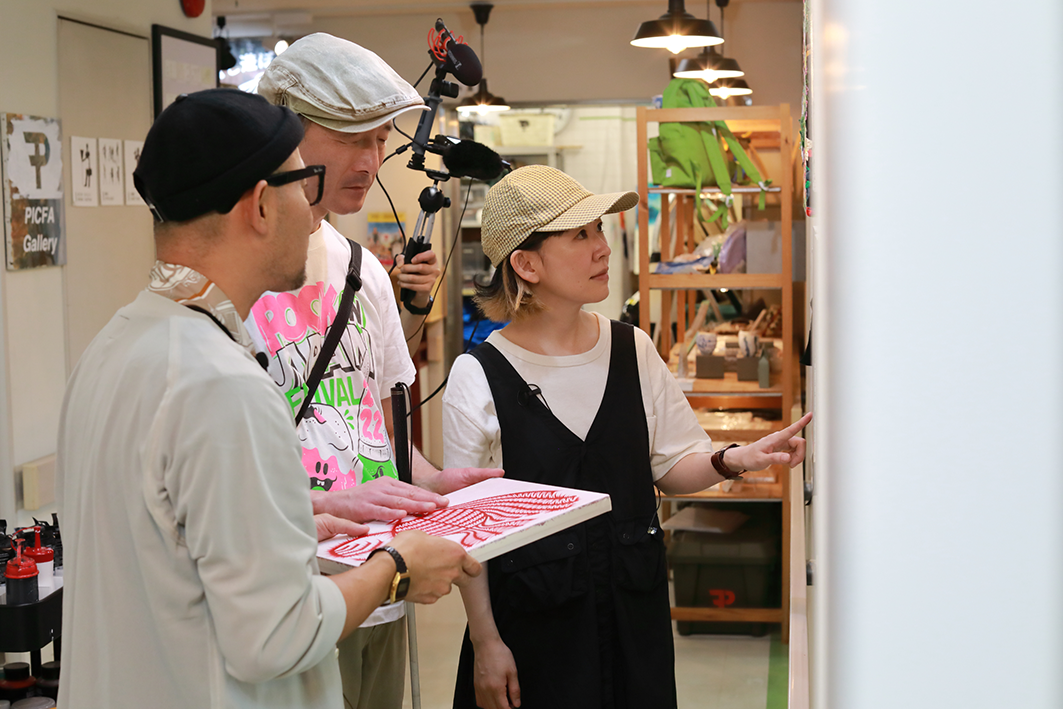
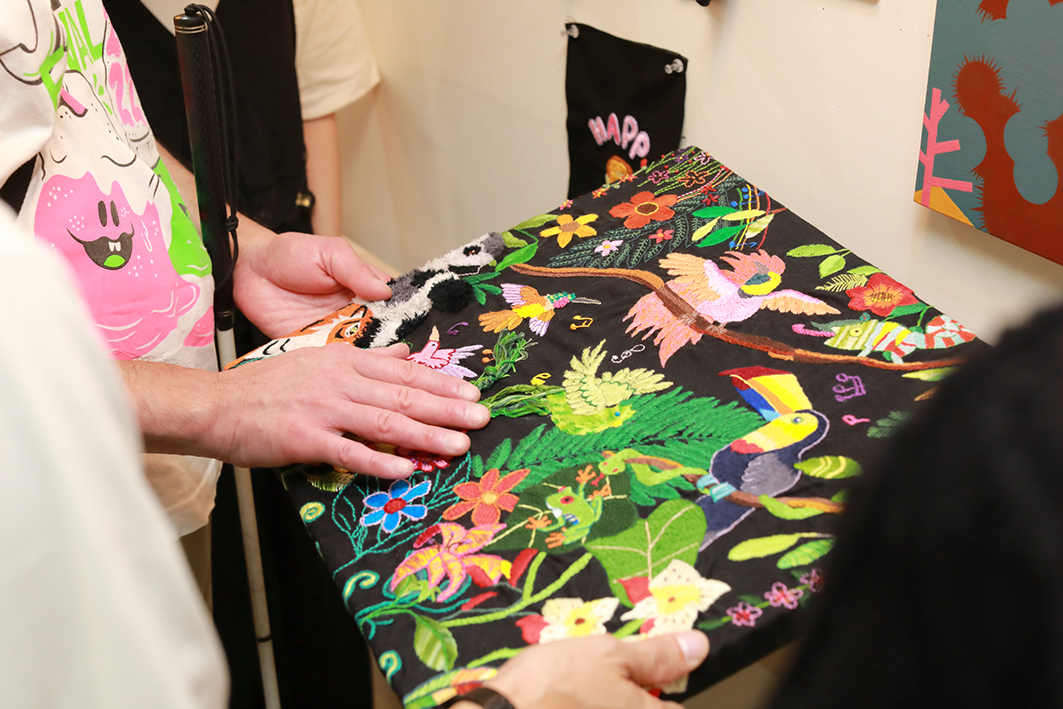
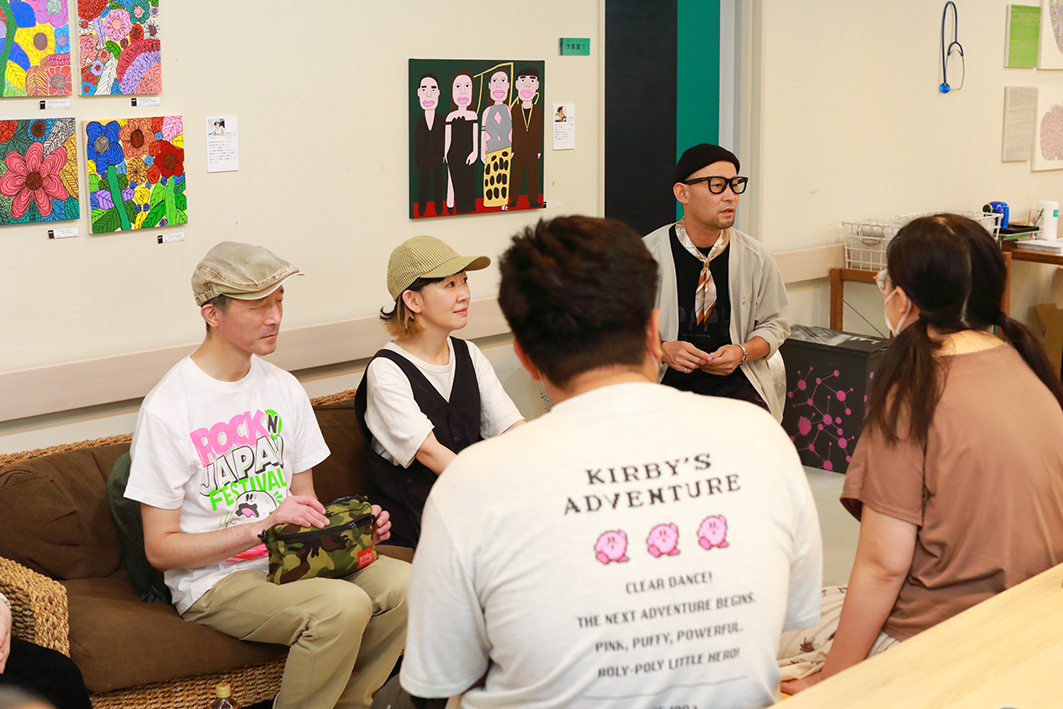
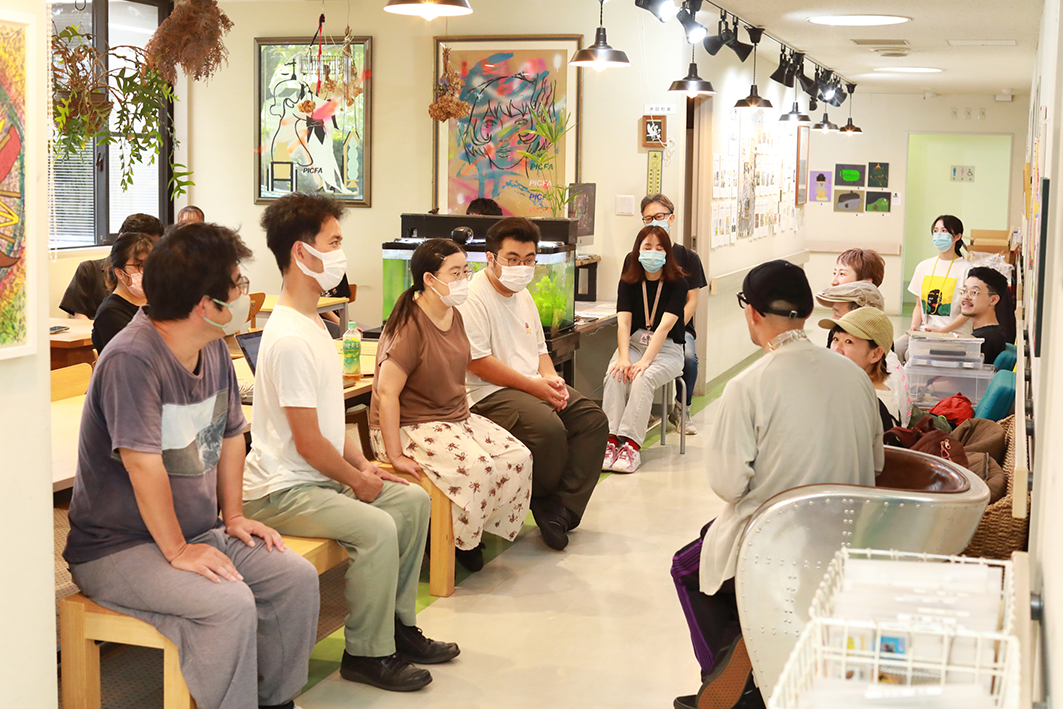
Apple Podcasts Player
Links
Overview
Guests: Kenji Shiratori (blind art appreciator, photographer), Kanako Iwanaka (editor, art manager),Hiroyuki Harada (Facility Director at PICFA) [about 75 minutes]
Navigator: Asuka Mon (Tokyo Shibuya Koen-dori Gallery)
#26. Looking back at this and that
Apple Podcasts Player
Links
Overview
Guests: Kenji Shiratori (blind art appreciator, photographer), Kanako Iwanaka (editor, art manager),Hiroyuki Harada (Facility Director at PICFA) [about minutes]
Navigator: Asuka Mon (Tokyo Shibuya Koen-dori Gallery)
Guest Profile
Kenji Shiratori
Blind art appreciator, photographer
Kenji Shiratori was born with severe amblyopia. By the age of 12, he could only see light, and by his mid-20s, he had grown totally blind. He thereafter embarked independently on activities of appreciating art while talking to people, and has since has visited museums around Japan dozens of times a year for more than 20 years. He has served as a navigator for lectures and workshops at Art Tower Mito and other places. His favorite things are music and alcohol. In 2022, he appeared in the movie, Me no Mienai Shiratori-san, Aato wo Mi ni Iku (“Blind Mr. Shiratori Goes to See Art”). His major exhibitions as a photographer include (ta)yoriai, (ta)yoriau) at Hajimari Art Center (Fukushima Prefecture) in 2021, the Atelier Mitsushima special exhibition Manazasu Shintai (“The Gazing Body”) in 2022, and Saitama Triennale 2023 (including the Triennale’s main visual).
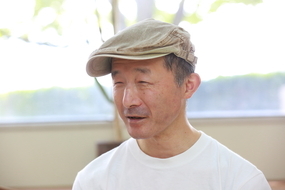
Kanako Iwanaka
Art manager, editor
After working as a planner for the community space "SHIBAURA HOUSE" and on-site coordinator for the art project "TURN,” Iwanaka in 2021 joined the editorial department of "Cococo, a creative magazine that explores social welfare.” Since 2023, she has also been active as Kenji Shiratori’s manager. Iwanaka is involved in art management, including art expression born from everyday life, expressive activities undertaken in collaborations with people and communities having diverse backgrounds, production of performing arts, and editing of reports on art.
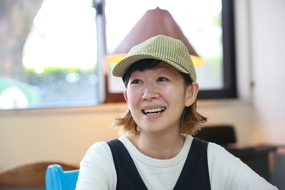
Hiroyuki Harada
Facility Director at PICFA (Disability Welfare Service Facility), Seimeikai Medical Corporation
Raised with an older brother who had a disability, Harada enrolled in Nihon Fukushi University motivated by an interest in “welfare” and “happiness.” From 2002, he began working at JOY Club, a welfare service office for people with disabilities, and in 2017, he launched Japan's first type-B support facility “PICFA,” operated by a medical corporation, where he has since served as facility director.
PICFA
PICFA was established in 2017 as a Type B facility continuous employment facility where people with intellectual disabilities, autism, Down syndrome, and other disabilities can undertake creative activities as a job. The name is a blend of the words “Picture” and “Welfare.”
Reference:https://picfa-shop.jp/pages/about
Part 2 "Beyond Creative Activities" (3-part series)
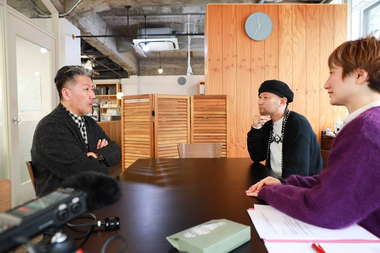
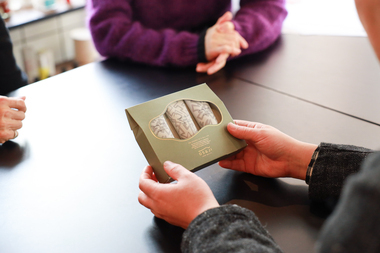
Next, we joined Hiroyuki Harada, director the “PICFA” welfare facility which turns art into jobs, in visiting the lab of skin care brand “OSAJI,” with which PICFA previously collaborated on product packaging. We spoke with representative director Masakazu Shigeta there. This time, we explain how the newly created works go into the world, after art production at the welfare center studio, and how the artists connect with society through their works. We hope you will stay with us and listen. [Recorded January 2026]
#27. Reason for choosing art and welfare as a career
Apple Podcasts Player
Links
Overview
Guests: Masakazu Shigeta (Representative Director, OSAJI Co., Ltd., Vice Chairman, Japan CAREMAKE Association), Hiroyuki Harada (Director, PICFA, Seimeikai Welfare Service Office for Disabilities) [about 22 minutes]
Navigator: Asuka Mon (Tokyo Shibuya Koen-dori Gallery)
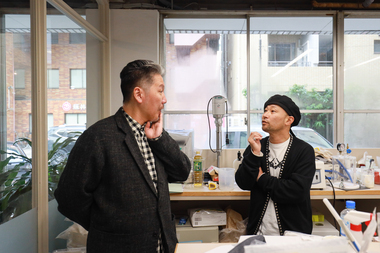
#28. Welfare, cosmetics, and blind makeup
Apple Podcasts Player
Links
Overview
Guests: Masakazu Shigeta (Representative Director, OSAJI Co., Ltd., Vice Chairman, Japan CAREMAKE Association), Hiroyuki Harada (Director, PICFA, Seimeikai Welfare Service Office for Disabilities) [about 22 minutes]
Navigator: Asuka Mon (Tokyo Shibuya Koen-dori Gallery)
#29. Welfare facilities and cosmetics brands
Apple Podcasts Player
Links
Overview
Guests: Masakazu Shigeta (Representative Director, OSAJI Co., Ltd., Vice Chairman, Japan CAREMAKE Association), Hiroyuki Harada (Director, PICFA, Seimeikai Welfare Service Office for Disabilities) [about 33 minutes] Navigator: Asuka Mon (Tokyo Shibuya Koen-dori Gallery)
Guest Profile
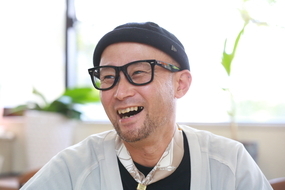
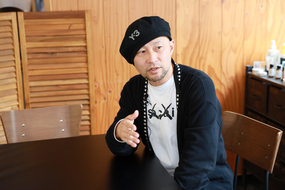
Masakazu Shigeta
Representative Director, OSAJI Co., Ltd. and Vice President, Japan CAREMAKE Association
In 2017, Shigeta founded the skin care and lifestyle brand “OSAJI,” which develops products for sensitive skin, based on dermatology, and manufactures products with an emphasis on fragrance and the five senses. He also serves as the vice president of the Japan CAREMAKE Association and engages in social activities through beauty products, such as promoting understanding of “Blind Makeup®,” a technique allowing people with visual impairments to apply their own makeup. He is the author of “Eating as Beauty Care” (Shufu-to-Seikatsusha, 2024).
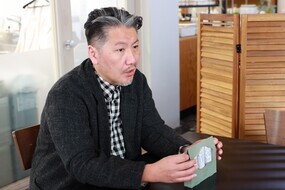
Hiroyuki Harada
Facility Director at PICFA (Disability Welfare Service Facility), Seimeikai Medical Corporation
Raised with an older brother who had a disability, Harada enrolled in Nihon Fukushi University motivated by an interest in “welfare” and “happiness.” From 2002, he began working at JOY Club, a welfare service office for people with disabilities, and in 2017, he launched Japan's first type-B support facility “PICFA,” operated by a medical corporation, where he has since served as facility director.
PICFA
PICFA was established in 2017 as a Type B facility continuous employment facility where people with intellectual disabilities, autism, Down syndrome, and other disabilities can undertake creative activities as a job. The name is a blend of the words “Picture” and “Welfare.”
Reference:https://picfa-shop.jp/pages/about
Related art exhibitions, etc.
Appreciation Event "Miru to Wa"
Exhibition: Imaginative Drawings in Monochrome
Art Brut 2022 Touring Exhibition Form, Fluid and Flexible -Varied Materials, Diverse Expression
Form, Fluid and Flexible -Varied Materials, Diverse Expression Catalog (PDF)
Pre-event of ”Art Brut 2022 Touring Exhibition Form, Fluid and Flexible” ”Live Painting by HONDA Masaharu” Documentary Video ”Shibuya no machinami”
Credits
Recording, editing: Yuya Koyama
Filming: (Part 1) #24-26, Nariaki Imamura, (Part 2) #27-29, Kai Maetani
Cover art, graphic design: Akitsu Sekkei
Jingle: ottotto “CLAP”